
 Image 1 of 1
Mekong Mix
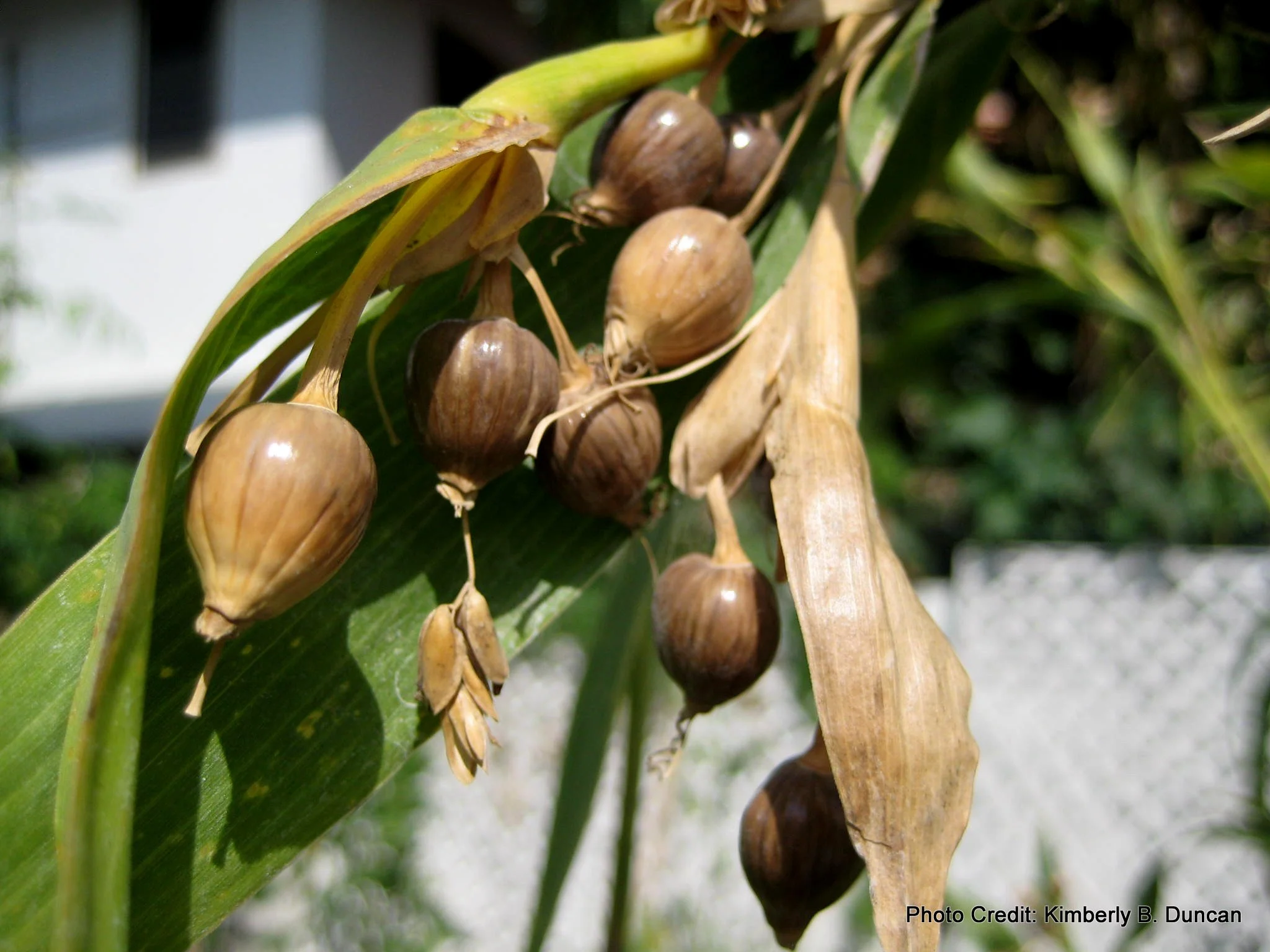
A soft, round, edible variety. 120 days from seed to flower. Seed coat turns gray or black when mature.
Description
Despite its minor crop status, Job’s Tears is a nutritious grain, containing more fat and protein than rice and wheat. Both sticky and non-glutinous varieties are grown throughout much of South and Southeast Asia and parts of China. This grain can be eaten like rice, ground into flour, added to soups and snacks and fermented. Seeds of certain varieties are used as beads for decoration. Often planted at the beginning of the rainy season, it requires fertile soil for the best growth. In poor soils, many fruits are hollow. Job’s Tears is reportedly best suited to latitudes between 22°N and 22°S.
Scientific Name: Coix lacryma-jobi
Common Names: ลูกเดือย
Plant Information Sheet: Job's Tears
Mekong Mix
A soft, round, edible variety. 120 days from seed to flower. Seed coat turns gray or black when mature.
Description
Despite its minor crop status, Job’s Tears is a nutritious grain, containing more fat and protein than rice and wheat. Both sticky and non-glutinous varieties are grown throughout much of South and Southeast Asia and parts of China. This grain can be eaten like rice, ground into flour, added to soups and snacks and fermented. Seeds of certain varieties are used as beads for decoration. Often planted at the beginning of the rainy season, it requires fertile soil for the best growth. In poor soils, many fruits are hollow. Job’s Tears is reportedly best suited to latitudes between 22°N and 22°S.
Scientific Name: Coix lacryma-jobi
Common Names: ลูกเดือย
Plant Information Sheet: Job's Tears