From Seeds of Knowledge to Forests of Hope
Beth Goodwin | Zimbabwe
ECHO Asia Visit: August 2026
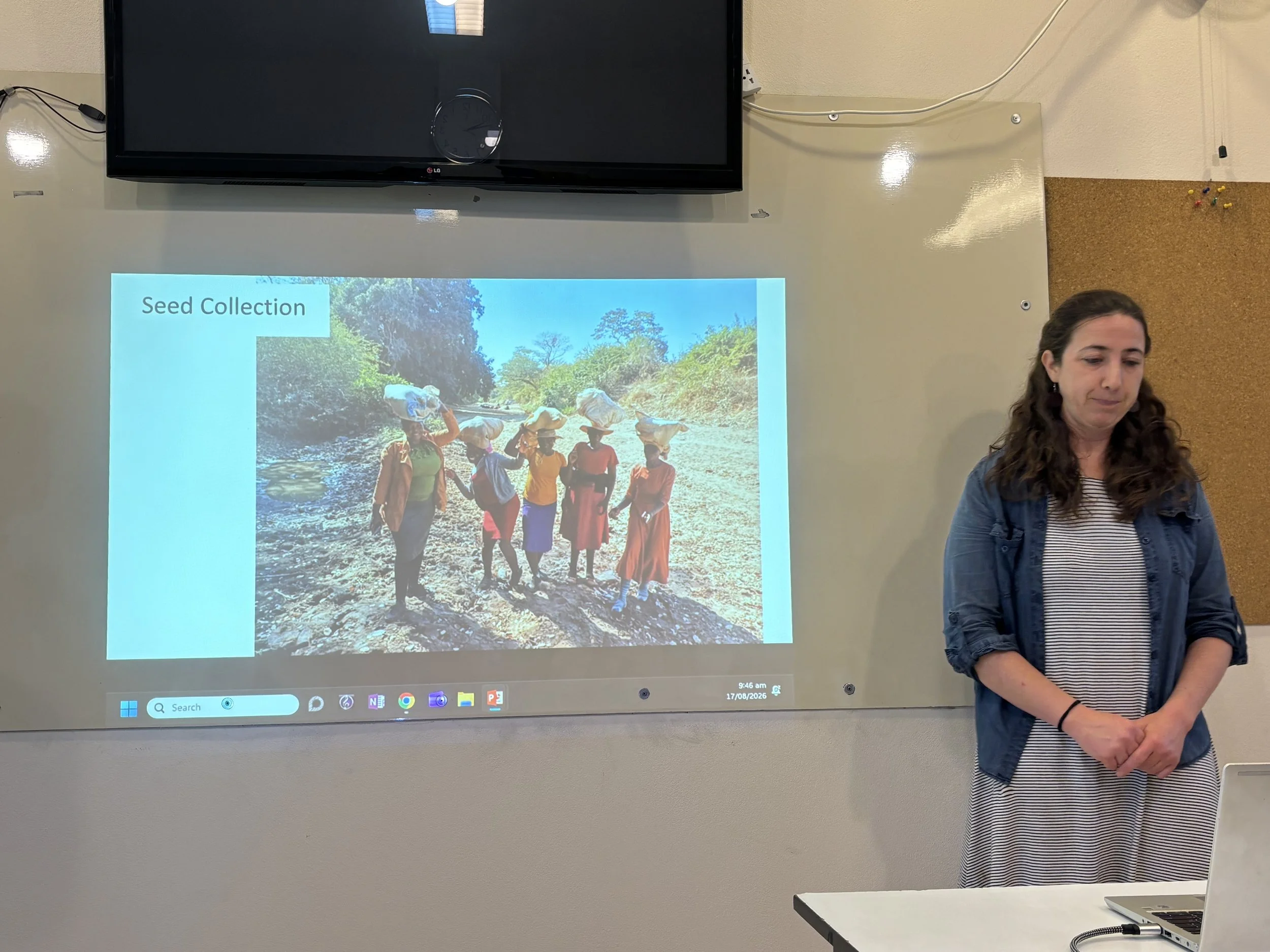
Ten years ago, Beth Goodwin visited ECHO Asia in Thailand and was introduced to practical approaches for seed saving, seed banking, seed drying, and appropriate technology for smallholder communities.
Today, Beth is back at ECHO Asia—not only to learn more, but to share how those lessons have taken root and grown in Zimbabwe.
“I am so grateful for all I learned then. I have returned to visit now to learn more, and to share some of the ways I have used the knowledge gained at ECHO.”
From learning to doing
Beth works with small-scale farmers and communities in the hot, dry areas of Zimbabwe, where drought and unpredictable rainfall create significant challenges for both agriculture and conservation.
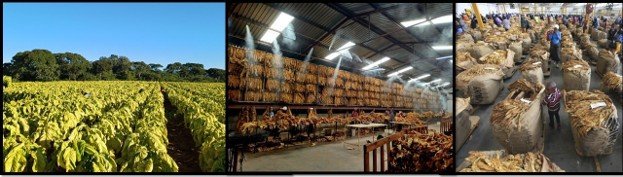
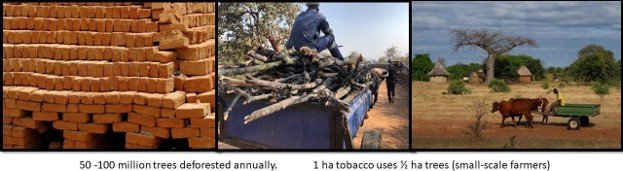
One of the major challenges she sees is the loss of indigenous woodland. Tobacco is an important crop in Zimbabwe, but small-scale farmers often depend on natural woodlands for fuel to construct and operate tobacco barns. Beth estimates that around 300,000 hectares of woodland are lost each year, representing millions of trees.
Rather than seeing this only as an environmental problem, Beth has been exploring practical ways to connect seed conservation, community livelihoods, and tree restoration.
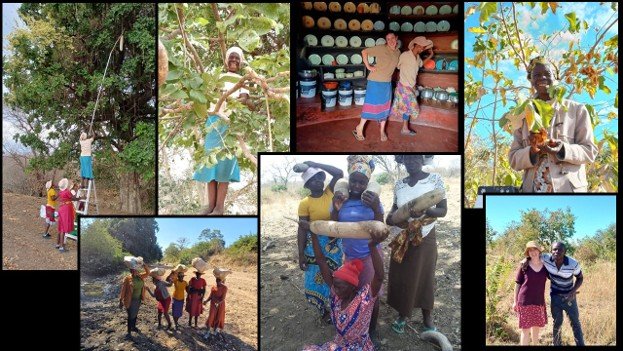
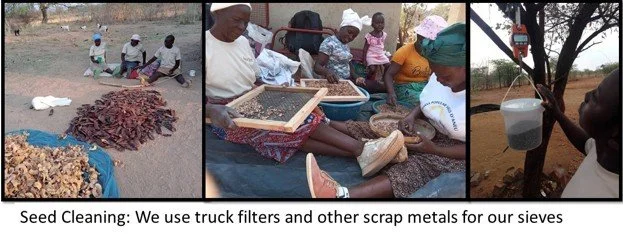
She employs local villagers as seasonal seed collectors, prioritising people who have a greater need for employment, including breadwinners and widows. During the dry season, they collect seeds, clean and dry them, and store them in airtight containers using locally available materials and methods.
Many of these practices were inspired by what Beth learned at ECHO.
Adapting ideas to local conditions
One of Beth’s key lessons has been that technologies and ideas often need to be adapted to fit the local environment.
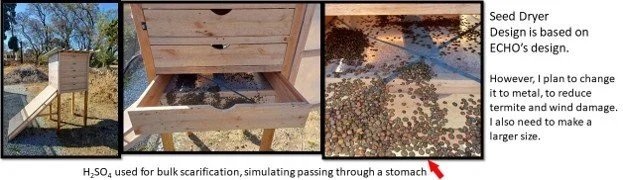
Her seed dryer, for example, was based on a design she first saw at ECHO. It works well, but Zimbabwe’s intense sun and strong winds have led her to consider new designs using more durable materials, including metal frames and rust-resistant shelving.
She is also developing practical systems for seed storage and record keeping. For each seed lot, she records seed weight and calculates the approximate number of seeds using 1,000-seed weight. This allows her to track how many seeds enter and leave each container and maintain better records of her growing seed collection.
Beth has also created a database containing information on more than 750 tree species, including flowering seasons, seed maturity, locations, soil preferences, medicinal uses, and ecological associations. The database helps her and others identify suitable species for different locations and restoration needs.
Looking beyond the nursery
Beth is also experimenting with ways to restore trees without relying entirely on traditional nurseries.
Nurseries can be expensive and difficult to manage in Zimbabwe’s semi-arid conditions. Some indigenous trees develop deep taproots very quickly, while seedlings can experience severe transplant shock when moved from protected nursery conditions into intense sun and sporadic rainfall.
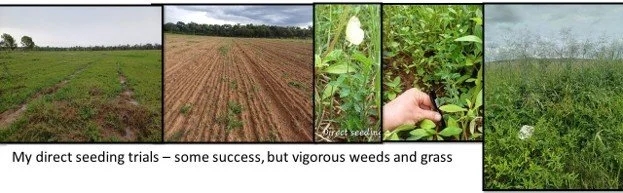
For these reasons, Beth has begun experimenting with direct seeding—planting seeds directly into the soil during the rainy season.
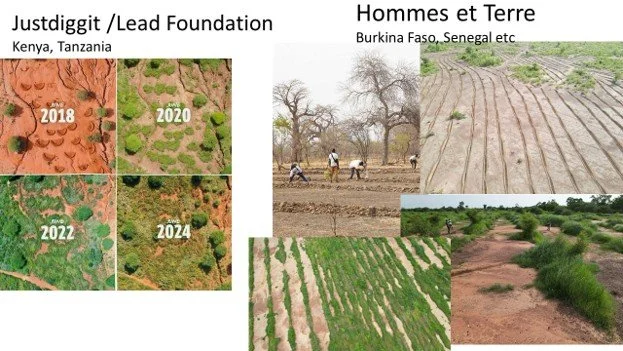
The results have been mixed, but promising. Water harvesting has been an important part of successful trials, while weeds and grasses remain a challenge.
For Beth, experimentation is part of the process: testing what works, learning from what does not, and adapting solutions to local conditions.
Seeds that keep spreading
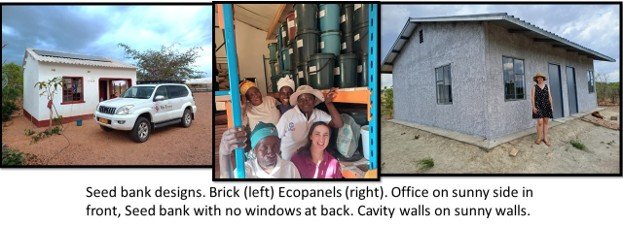
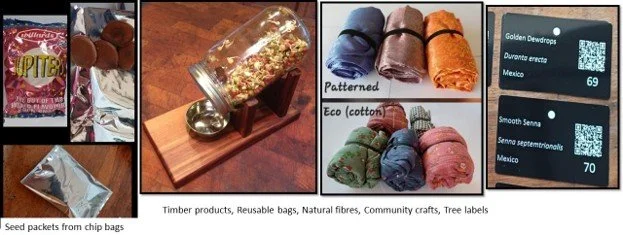
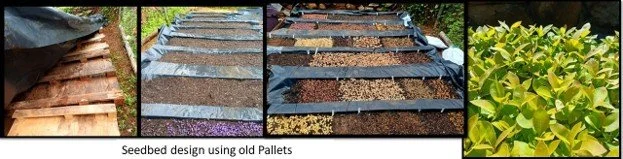
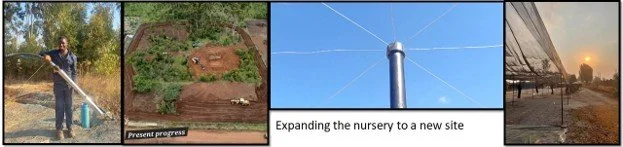
Beth is now building her own seed business and seed bank in Zimbabwe using a 20-foot shipping container. She is also developing an indigenous tree and grass nursery, exploring low-cost growing systems, and creating products that reuse plastic waste while increasing the value of indigenous hardwoods.
Her goal goes beyond growing trees. She hopes these activities can create employment, reduce pressure on natural woodlands, and help communities recognise that indigenous trees are valuable resources—not simply firewood.
Reflecting on her journey, Beth expressed gratitude for ECHO’s willingness to openly share knowledge:
“The ripples are going far, and the mustard seeds of God’s Kingdom are bearing fruit in Southern Africa.”
Beth’s story is a powerful reminder that an idea shared at ECHO does not stay at ECHO. A seed-saving technique, a simple dryer design, or a conversation about appropriate technology can travel across borders, be adapted to a new context, and become part of something much bigger.
Ten years after learning at ECHO Asia, Beth returned with her own story of impact—showing how shared knowledge can grow into practical action, stronger livelihoods, and new hope for people and the environment.
Continuing the journey
Beth welcomes connections with others interested in indigenous trees, seed conservation, restoration, and community-based livelihoods in Zimbabwe.
Radicle Zimbabwe
Instagram & LinkedIn: Radicle.zw
Email: bethgoodwin.zw@gmail.com